
The Quiet Work of a Hospital Chaplain
Most of what a hospital chaplain does is invisible — and that is the point. A look at presence as the first medicine.
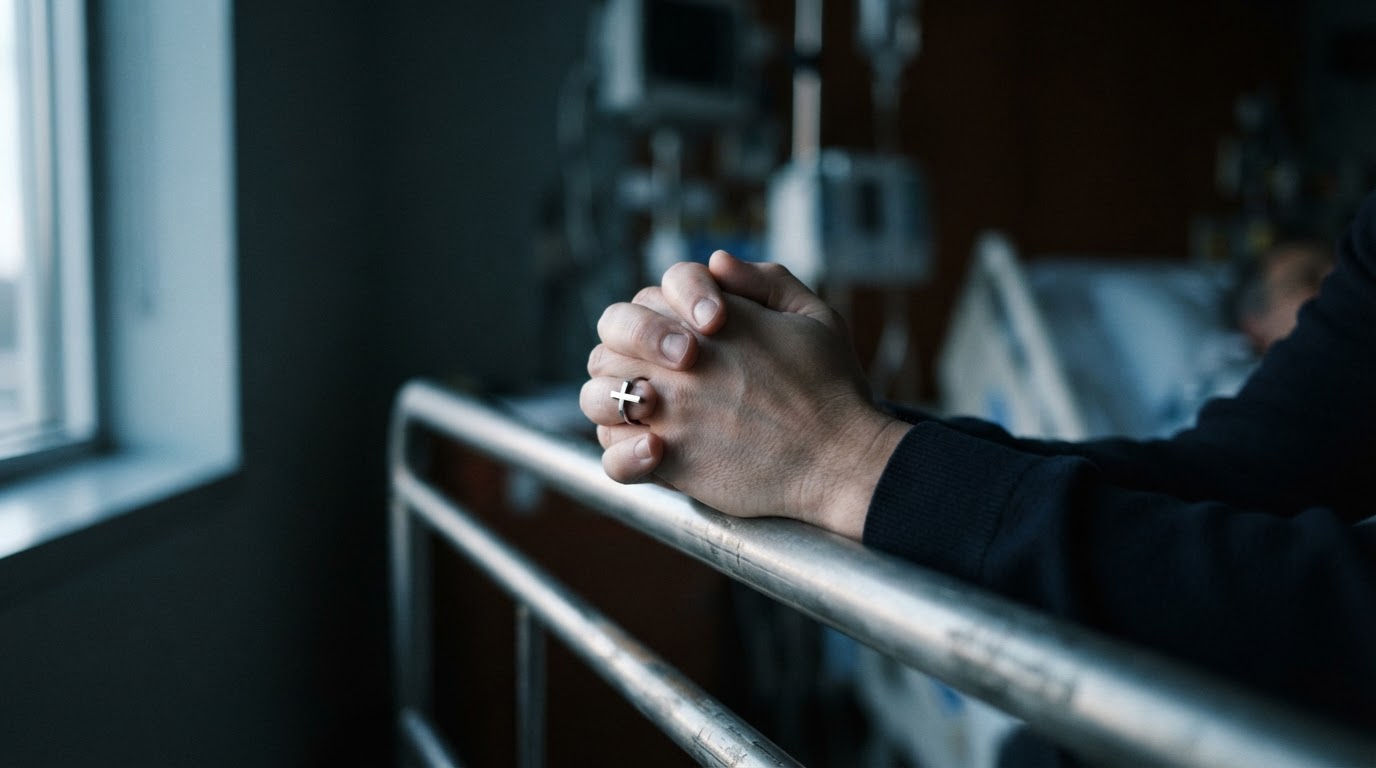
Most of what a hospital chaplain does is invisible, and that is the point. If you watched a shift, you would see someone walking slowly between rooms, sitting for a while, praying quietly, listening more than talking, and then moving on. There is no procedure, no monitor, no chart of outcomes. The nurses and doctors are doing the medicine. The chaplain is doing something else — the work of being a human soul in a place where souls are being shaken. Presence is the first medicine the chaplain offers, and often the one that lasts longest after the room is empty.
The hospital is where life gets exposed. People come in with a diagnosis they were not ready for, a surgery that scared them, a body that suddenly stopped cooperating, a child who is hurt, a parent who is declining. The plans for the week collapse into the question on the ceiling tile. The chaplain walks into that exposure not to fix it — we cannot — but to refuse to let the person face it alone. Yea, though I walk through the valley of the shadow of death, I will fear no evil: for thou art with me (Psalm 23:4). The promise is company. The chaplain is the embodied version of it.
The first thing I learned in the hospital is that listening is the work. Most of what people need is not an answer; it is a witness. They need to say out loud what they are carrying — the fear, the regret, the thing they are about to lose — and to have someone receive it without flinching. A word fitly spoken is like apples of gold in pictures of silver (Proverbs 25:11) — but the fit word almost always comes after the listening, never before. The chaplain who rushes to a verse rushes past the person. Slow down. The silence is not empty; it is the space where trust is built.
I learned that prayer in the hospital is not a performance. The families who ask you to pray are not asking for eloquence; they are asking for someone to carry the room to God with them. The simplest prayer, honestly offered, does more than the polished one. Lord, be with us. Give us peace. Help us. The Spirit itself maketh intercession for us with groanings which cannot be uttered (Romans 8:26). When you cannot find the words, the Spirit does, and the chaplain who prays simply is just agreeing with the intercession that was already happening before he walked in.
I learned that the family is often the real patient. The person in the bed may be sedated, may be at peace, may be nearer to the Lord than anyone in the room. The ones hurting are the ones standing around the bed — the spouse who cannot imagine the next morning, the child who is not ready, the sibling who drove all night. The chaplain ministers to the whole room, not just the chart. Bear ye one another's burdens (Galatians 6:2). The burden is shared by more than the patient, and the care has to be shared too.
I learned that chaplaincy crosses the line of faith without judgment. Not every patient is a believer; not every family wants prayer. Some want a presence and nothing more, and that is honored. The chaplain is not there to recruit; we are there to care. The God comforteth us in all our tribulation, that we may be able to comfort them which are in any trouble (2 Corinthians 1:4). Comfort does not require agreement on theology. It requires willingness to show up. I have prayed with believers and sat quietly with those who couldn't, and the sitting was as much ministry as the praying.
I learned that the hardest rooms are not the ones where someone dies. The hardest rooms are the ones where someone has to keep living with a body that has changed, a future that has narrowed, a loss that will not stop being real when the discharge papers are signed. The chaplain's work starts in the room but it follows people home. The follow-up call a week later, the visit before the next surgery, the prayer at the readmission — these are the long, quiet ministries that hold a person through the months the hospital doesn't see.
And I learned that the chaplain is held too. You cannot walk through that much exposure without being carried yourself. The chaplain who is not being pastored will eventually break. We pray, we debrief, we lean on our own people, and we trust the same God we point the patients to. The work will break your heart open, but it does not have to break you, because the same presence we offer is the presence that holds us. That is the secret of the whole thing — none of us is the source. We are just the ones who said yes to walking in the room.
If someone you love is in the hospital and you want a visit — or if you are a patient and you need someone to pray with — reach out. I serve Columbus, Georgia and the surrounding area, and I will come. Call or text (706) 577-1328, or email lewis.otis@ymail.com. You do not need the right words. You only need to ask. The room does not have to be empty.
People · Purpose · Potential
Connect with Mr. Lewis
However you need to reach out — to book a speaker, request a chaplain visit, join a Bible study, or ask for prayer — there is a door open here. Serving Columbus, GA and surrounding areas throughout Georgia.